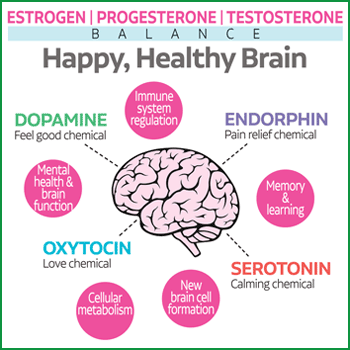

Most definitely! Even though testosterone is a man’s most important hormone, it is vital to women as well. Testosterone supports more than 200 body functions beyond sexual performance and desire. Physiologic blood levels of testosterone support bone health, muscle strength and mass, red blood cell production and fat distribution. It also aids in cognitive function, boosts positive mood and energy levels, enhances the ability to handle stress, and helps maintain a clean liver and blood vessels.
Female testosterone is manufactured in the ovaries and adrenals at much lower levels than in men. A healthy woman in her 20s generally produces around 300 micrograms of testosterone daily.1 (Women are said to need less because they are much more sensitive to its effects.) Testosterone production peaks at that age and reduces by 50% as she approaches menopause. Combined with other menopausal hormone deficiencies, the lack of testosterone negatively impacts many essential body functions. This sets the stage for numerous degenerative illnesses. Low levels of testosterone have been scientifically linked to osteoporosis, depression, anxiety, Alzheimer’s disease, cardiovascular disease, diabetes, metabolic syndrome and other health issues.
Beyond the obvious health benefits provided by testosterone, replenishing it to more youthful levels also provides welcome relief from a variety of menopausal symptoms like irritability, loss of libido, foggy thinking and others.
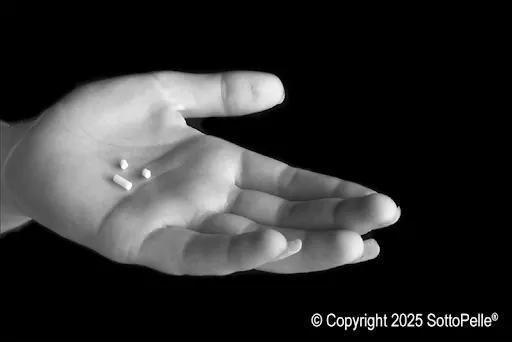
Given the significant contribution testosterone makes to a woman’s health and well-being, it makes perfect sense to restore beneficial levels using proper hormone replacement therapy. Research shows that the bioidentical pellet implant method like that used by SottoPelle® is the safest and most effective way to deliver hormones into the blood stream. Many testosterone treatments cannot provide the same steady, around the clock hormone levels for months at a time that pellets can. Additionally, testosterone patches, creams, gels and injections are fraught with problems and side effects, the greatest of which is the dangerous use of synthetic testosterone.
Symptoms that may indicate you‘re testosterone deficient:
1. Constantly tired or exhausted, no matter how much sleep you get
2. Muscle loss, weakness
3. Gradual weight gain, especially around the waistline
4. Decrease in bone density
5. Loss of sexual desire
6. Mood swings
7. Depression/anxiety
8. Foggy thinking, difficulty concentrating
9. Hair loss
If you suspect that you are testosterone deficient, please call us for an appointment. Join thousands of others who have discovered that you don’t have to live with it!